


Dog Diarrhea Causes & Prevention

In this blog, we’ll cover the most common causes of diarrhea in dogs, how to prevent it, what to feed a dog with an upset stomach, and when to seek veterinary care. At Furchild, we pay great attention to your pet's poop, which we call VIPs (Very Important Poops!).
Here are the Common Causes of Diarrhea in Dogs
1. Consuming foreign stuff (also known as Garbage Gut)
.png)
Dogs are curious by nature and notorious for eating things they shouldn’t. During their outdoor walks and adventures, they may also sniff or come in contact with
-
Urine or stool from other animals.
-
Possible pesticides or chemicals are sprayed on the grass.
-
Dead animals, trash, or spoiled food.
This type of 'exciting' findings for dogs and consumption can irritate their digestive system, cause diarrhea in dogs, or introduce harmful pathogens.
2. Sudden Dietary Changes
If you change your dog’s food too quickly, it can trigger loose stool or even dog diarrhea. A dog’s digestive system relies on a delicate balance of gut bacteria to process food, and dogs' eating only ultra-processed foods do not have a diverse micro flora, so new introductions can be stressful. Sudden changes in any pet food, pet treats, and many human foods can disrupt this balance, leading to dog loose stool.
3. Food Intolerances or Allergies
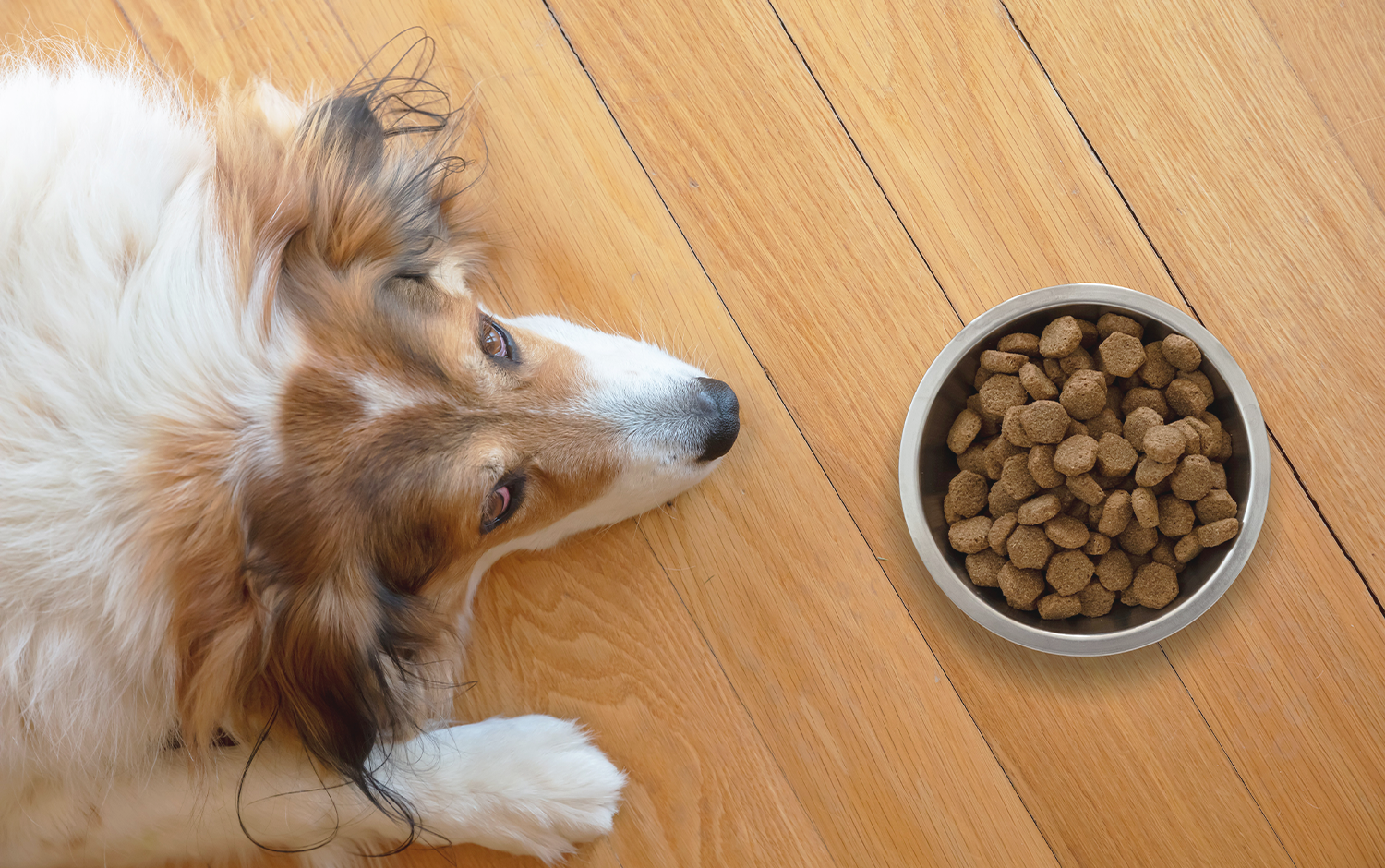
Some dogs are sensitive to certain ingredients such as:
-
Specific proteins (e.g., chicken, beef)
-
Dairy products, especially from cows
-
Grains like wheat or corn
-
Artificial preservatives and colorants are found in many conventional pet foods.
Such food intolerances often cause chronic diarrhea, gas, or skin irritation.
4. Infections and Parasites
Bacteria like Salmonella and E. coli, or intestinal parasites (like Giardia or worms), can lead to diarrhea. These cases typically require veterinary treatment and diagnostic testing.
5. Stress and Anxiety
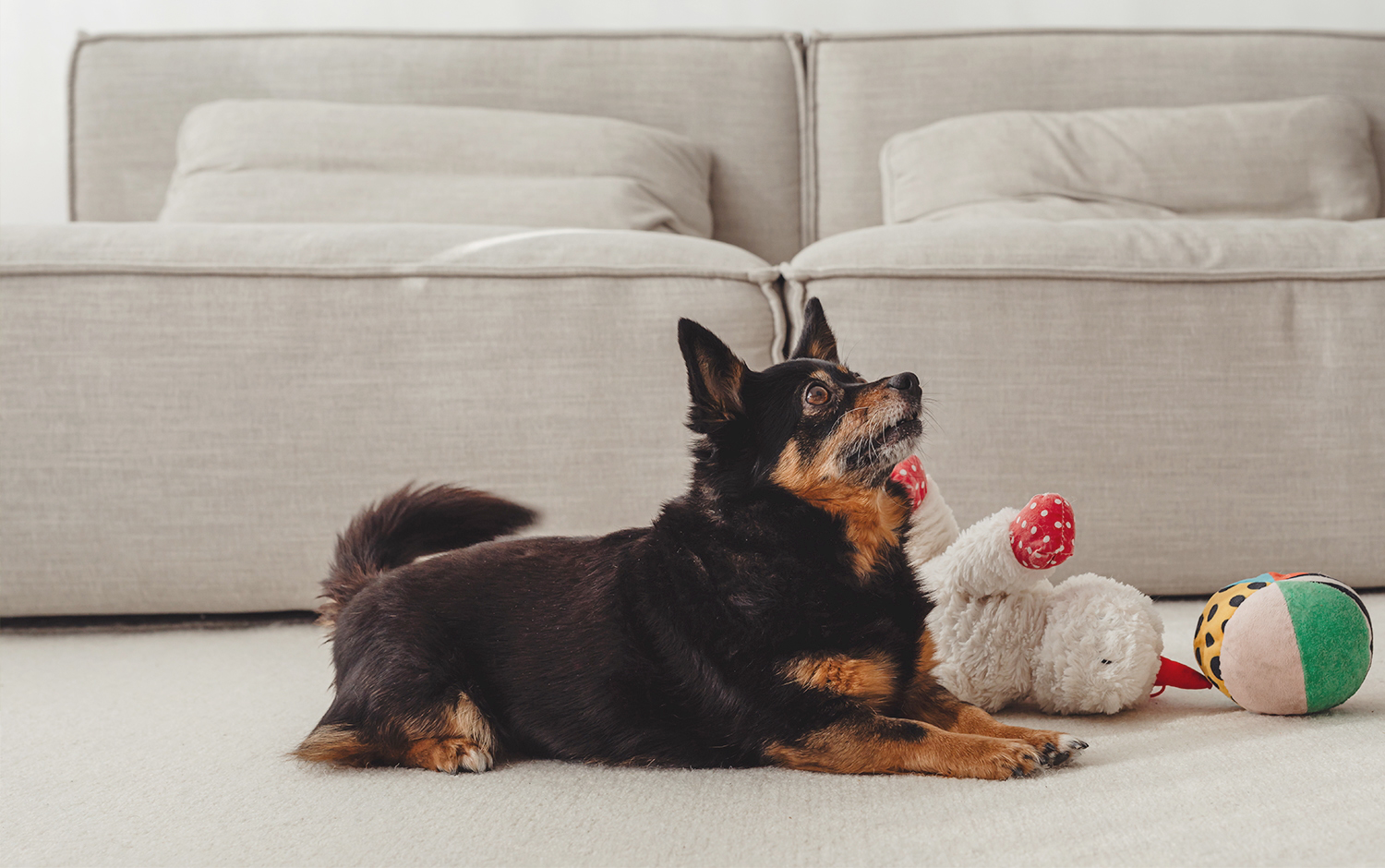
Dogs are very emotional creatures, and small changes to their routine can affect their mood, behaviour, and bodily functions. Sudden events such as moving to a new home, a trip to the vet, introduction of a baby, a divorce, or introducing a new pet can trigger stress-related dog diarrhea. This is often referred to as stress-colitis.
6. Medications
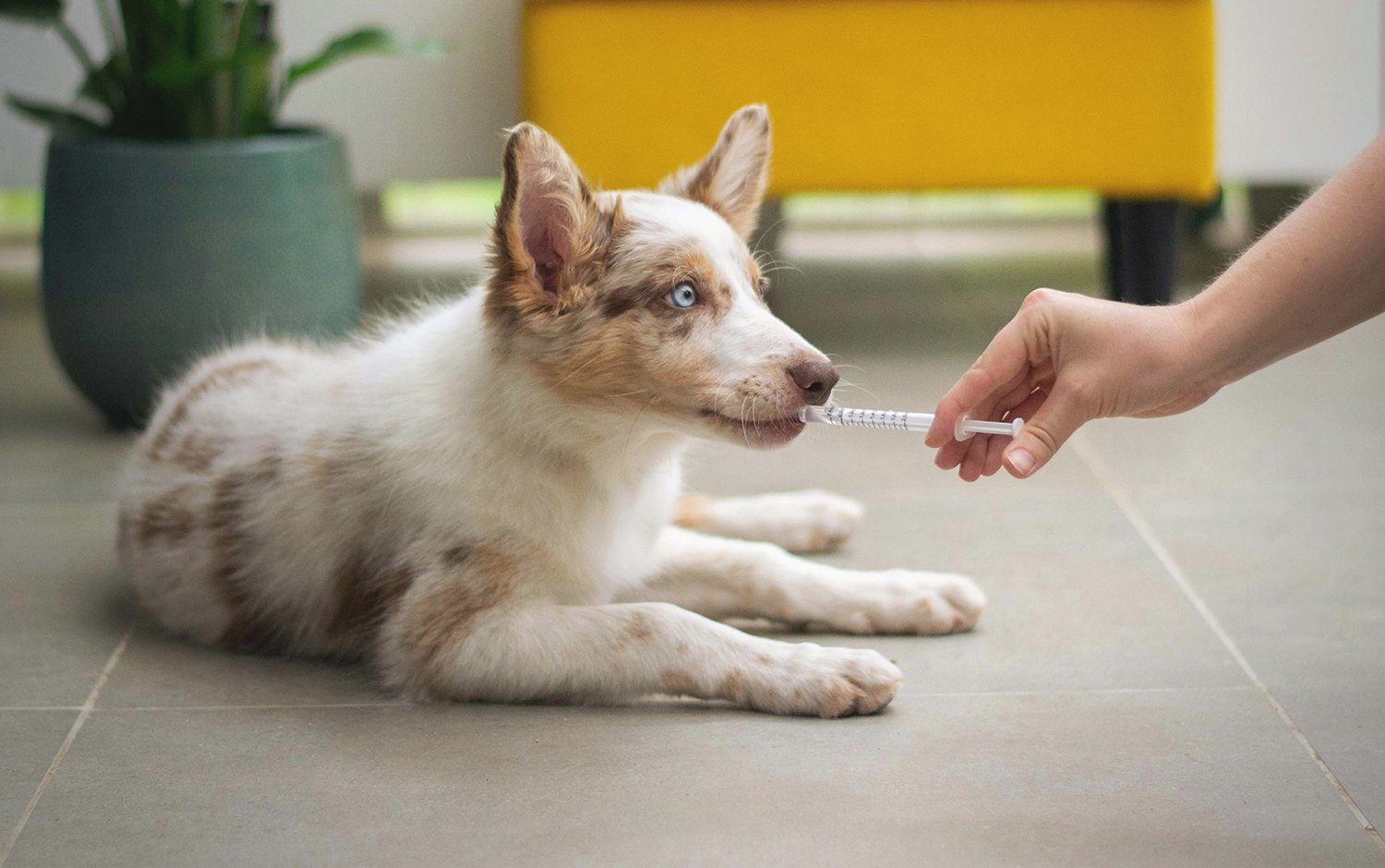
Certain medications your dog takes, especially antibiotics and non-steroidal anti-inflammatory drugs (NSAIDs), can disrupt their internal gut flora, leading to dog loose stool or dog diarrhea.
7. Serious Health Conditions
In some cases, diarrhea may signal, along with other signs or symptoms, that there's an underlying health problem for your dog. They can include:
-
Pancreatitis
-
Inflammatory Bowel Disease (IBD)
-
Liver or Kidney Disease
-
Cancer
If your dog shows signs such as bloody diarrhea, severe lethargy, and vomiting for two or more days, we recommend consulting a trusted veterinarian. It's also important to note that antibiotics kill both good and harmful bacteria, and it can take up to months for gut and intestinal health to restore itself to a balanced state. So, loose stools long after antibiotics may occur and supporting your dog's gut with the right types of healing foods is very important.
Here are a few useful tips for Preventing Diarrhea in Dogs
- Keep garbage and unsafe foods out of reach. This applies to fatty leftover food, cooked bones, or unsafe human foods dogs may consume.
-
Transition foods gradually by slowly mixing new foods into their current diet for 7 to 10 days. An even slower transition is fine.
-
Feed easy-to-digest foods by choosing clean, high-quality, species-appropriate foods for dogs.
-
Add Probiotics to their diet to support gut flora, especially after antibiotics or during stress.
-
Minimise stress by maintaining a routine and providing mental stimulation through play and exercise.
What to Feed a Dog with Diarrhea
When diarrhea happens, it’s important to soothe your dog’s digestive tract with gentle, species-appropriate nutrition. Many dog parents are conflicted about advice when asking the question, What to feed a dog with diarrhea, so we've provided some options below. You can choose to use one or a variety of the tips below.
-
Turkey meat is a lean protein and easy to digest.
-
Pumpkin is gentle on the stomach, high in easily digestible protein and fiber.
-
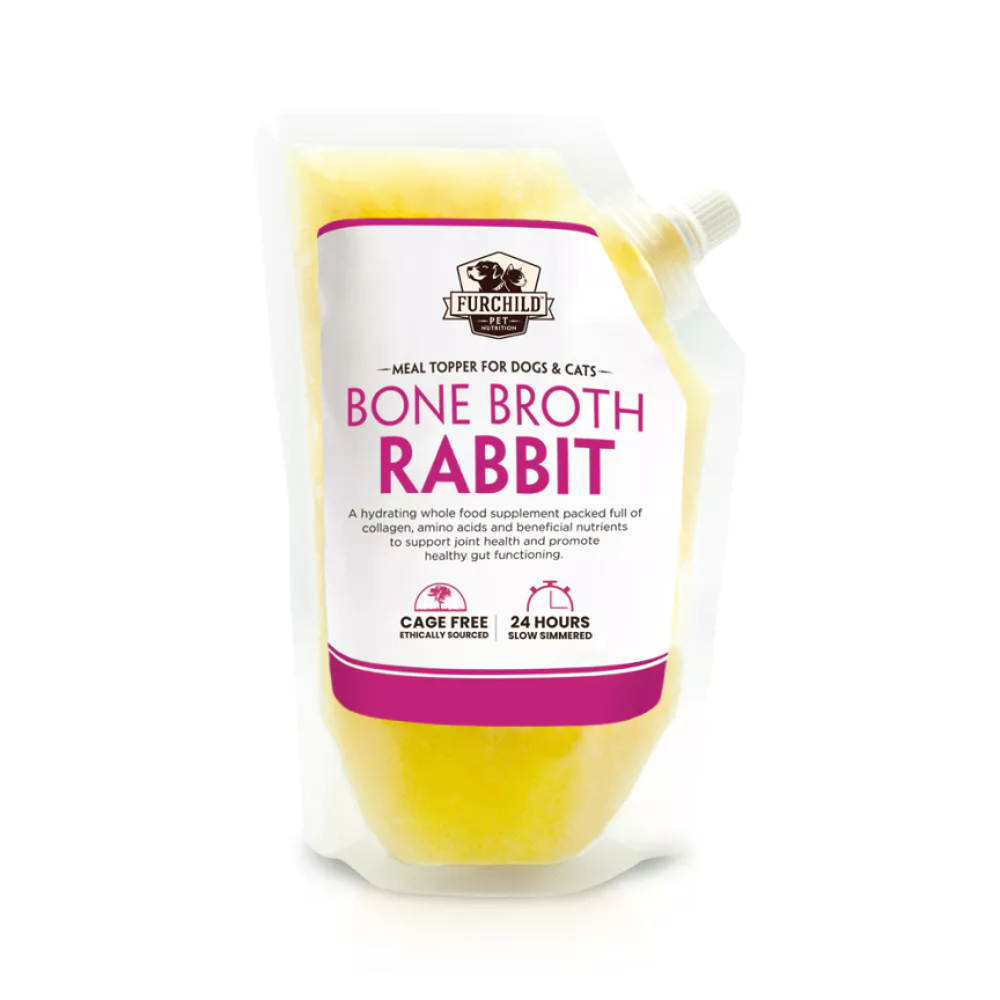
Our range of Bone Broths is hydrating and nourishing, which supports gut lining repair.
-
Our Grass-fed Green Tripe is highly digestible and packed with beneficial probiotics and enzymes.
What about white rice?
While often recommended, white rice as a form of dog diarrhea treatment isn’t ideal as it's not species-appropriate for dogs (or cats). It’s high in starch, lacks nutrients, and doesn’t align with a canine’s natural diet. Instead, root vegetables like pumpkin or sweet potatoes offer fiber, nutrients, and are easier to digest for dogs.
Raw Diets: Solution or Risk?
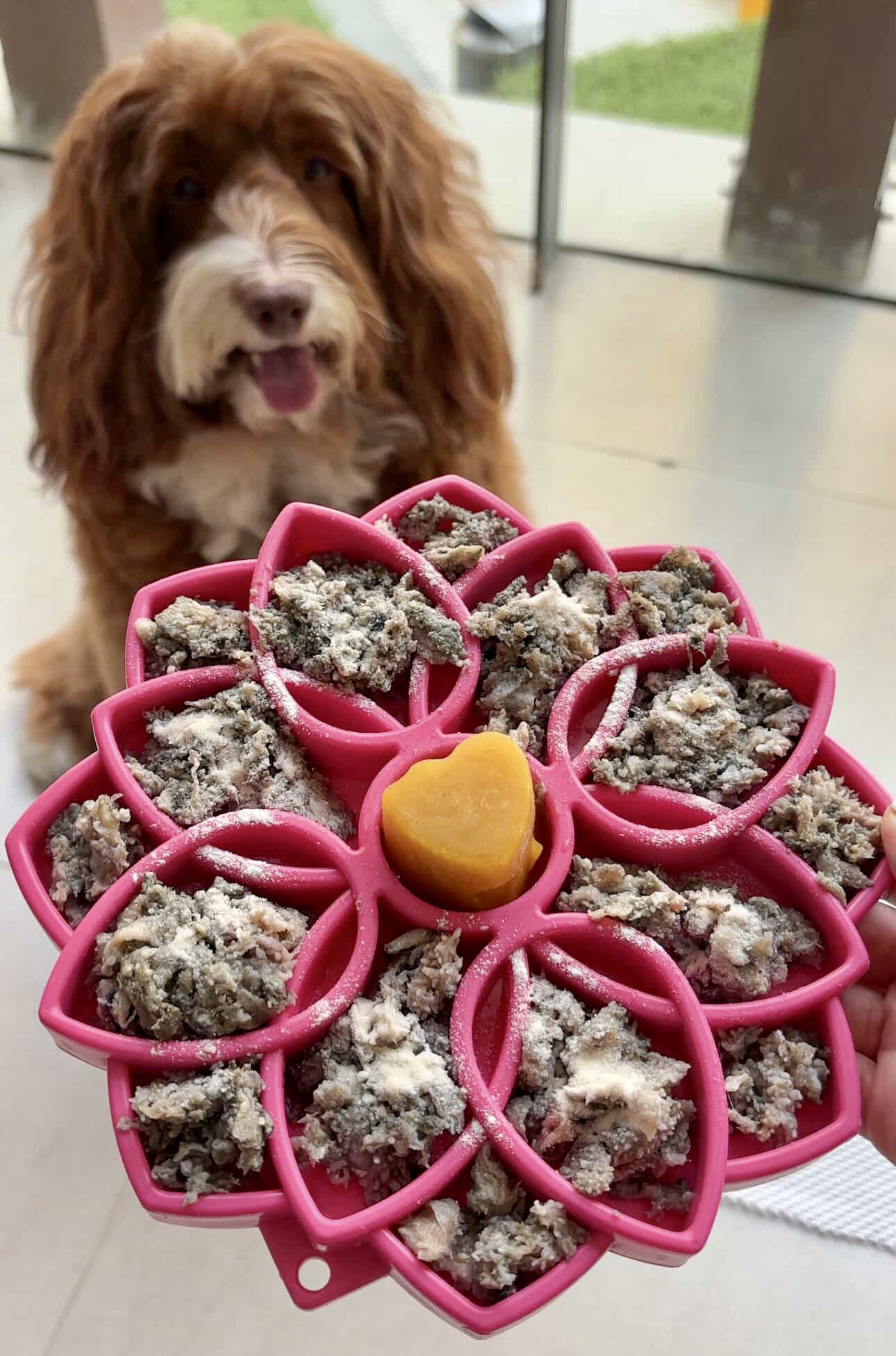
Many dog owners explore raw feeding to resolve chronic digestive issues, and the results have proven to be a good dog diarrhea treatment. However, it’s essential to understand both the benefits and the precautions:
Benefits of Raw Diets (When Done Right)
- Balanced raw diets can improve stool quality and result in smaller, firmer stools.
-
Fresh, minimally processed foods promote a healthy gut microbiome.
-
Single-protein raw diets like Furchild meals can help dogs with food sensitivities.
Below are two success stories of dogs with chronic diarrhea switching to Furchild and never looking back.
"She would also get diarrhea a couple of times a week which was concerning. A week into Furchild and her sh*ts have been dainty little things with no runniness in sight. Also she does a happy, dance-trot every time I put it in her bowl and bring it to her feeding station which is charming af!." - Unruly's dog mum, Amna
"These past 4 years has been hell for us when it comes to Zorro's tummy problems. all because zorro seemed to have a very very sensitive stomach where he could not seem to digest any kind of kibble. Name the food brand and we have tried it. Let it be regular kibble, or even the medicated dog food you get at the vets, wet food, sensitive food, hypoallergenic food etc etc nothing worked at all. From sleepless nights as dog parents seeing zorro in immense pain in the tummy was exhausting
Zorro now loves his [Furchild] food. We have not seen him have any pain, loose stool, soft stool, or even diarrhea. In fact, we have suddenly seen a more happy version of Zorro that we have not seen in 4 yrs. He sleeps well, he plays for a lot longer, he has become more active. Overall our boy is SUPER HAPPY.Your team has been a blessing disguise that have seemed to have solved our problem." - Zorro's mum, Cindy
These success stories are not a coincidence. In fact, a 2021 scientific study published in Frontiers in Veterinary Science found that raw-fed dogs tend to have more diverse gut bacteria, which is often linked to better digestive health.
Considerations To Be Aware Of
-
A sudden switch to raw can cause loose stool or even diarrhea if not done gradually. Some dogs can transition cold-turkey without any issues, while others cannot. We recommend you transition slowly over 2 weeks. Introducing one recipe at a time. If you're interested in making the switch to raw, read our blog, The Ultimate Guide to Transitioning Your Pet to a Raw Diet.
-
Food safety is a top priority. Raw food (just like all fresh foods) must be handled with care to avoid cross-contamination and harmful pathogens. We recommend you thaw your raw food in the fridge, wash all surfaces and bowls thoroughly with hot, soapy water. The same washing standards should apply to all types of dog food: dry, canned, cooked, or raw.
-
High fat, or organ content in some raw diets use fattier, cheaper cuts of meat or factory-farmed meats, which are naturally higher in fat. Too much can trigger digestive upset.
Remember, dog diarrhea is a sign of imbalance. Whether it's caused by stress, infection, or diet, it’s crucial to address the root cause. With slow food transitions, high-quality nutrition, and mindful prevention, you can help your dog maintain firm, healthy stools. And, for dogs with recurring issues, species-appropriate diets, fresh feeding, like Furchild meals, may be a great solution.
Need Help With Your Dog’s Sensitive Stomach?
If your dog struggles with chronic diarrhea, a sensitive stomach, or irregular digestion, our team is here to help you find the best dog food for sensitive stomachs.
Our experienced Pet Food Advisors have supported countless pet parents in improving their dogs’ digestive health. Hundreds of families have seen incredible results, with cats and dogs going from frequent digestive upset and loose stools to perfect poops and regular, healthy bowel movements.
We’re here to help your dog feel their best, starting from the inside out.


Have a question or comment? We would love to hear about it.

FURCHILD is the first raw pet food company of its kind in the Middle East.
Discover the transformative power of our fresh, healthy, balanced meals, raw bones, all-natural chews, and premium handcrafted freeze-dried treats. Our Meals for Dogs and Meals for Cats are formulated by the world's leading pet food experts, approved by veterinarians, and are made of the highest quality ingredients.
- Human grade ingredients
- Organic vegetables and fruits
- Ethically sourced grass-fed, free-range and cage-free meats and poultry
- No antibiotics. No hormones. No preservatives. Absolutely no nasties!
- Grain-free and gluten-free
- Suitable for dogs and cats, puppies and kittens
- Home delivery anywhere in the UAE
- Monthly subscription plans and bulk order discount offerings