


Toxic and Non-toxic Plants for Cats and Dogs in the UAE

As pet parents, we love caring for all living things, including our pets and plants. However, did you know certain plants can be dangerous, even toxic for cats and dogs?
Thankfully, not all plants are unsafe for our furry family members. But there's a small number of plants that pose potential hazards. And the risk typically comes from consuming them, i.e., through ingestion.
Ensuring Safety for Our Furchildren
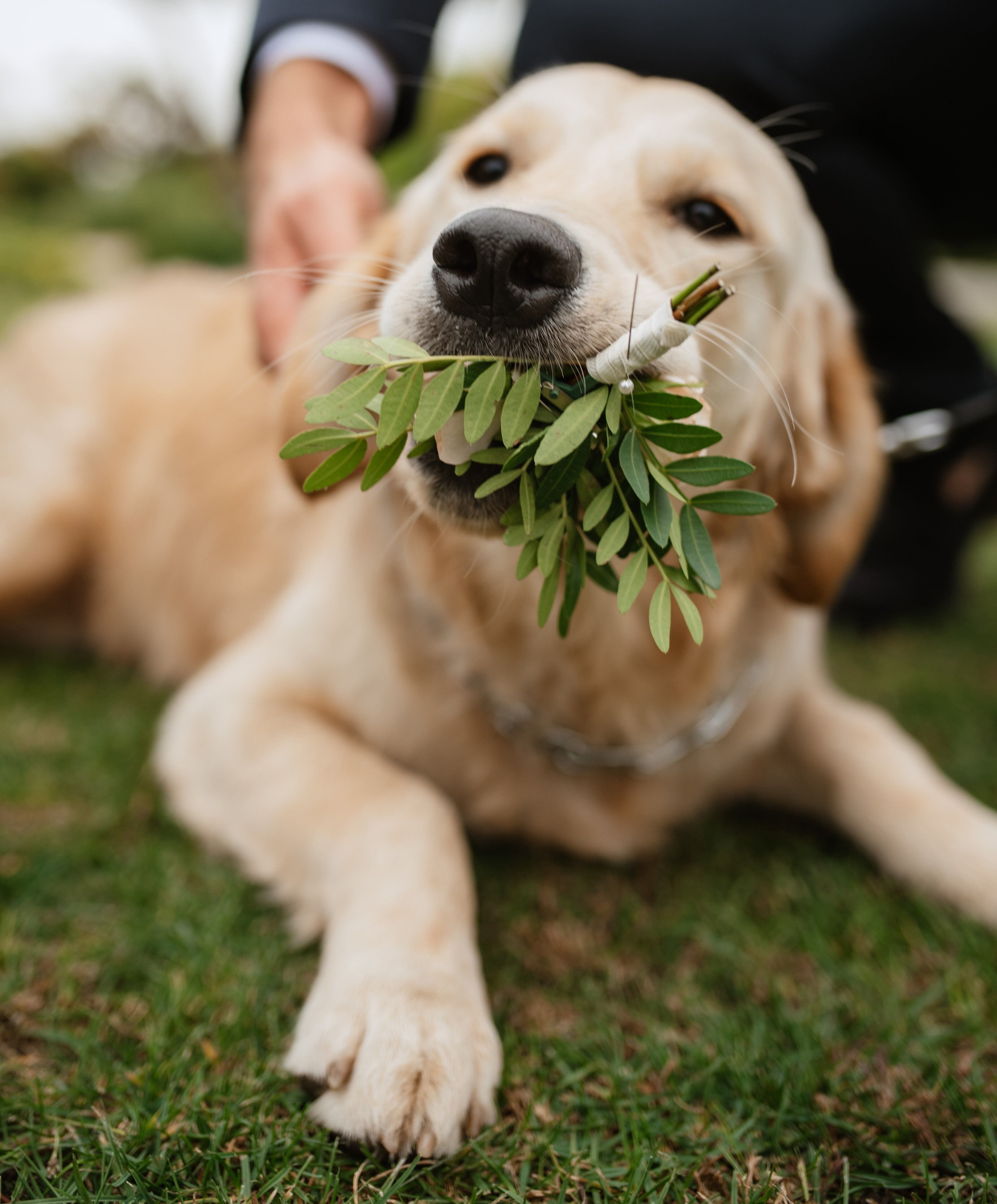
Different plants contain various chemical compounds. While some of these compounds are beneficial for dogs, others can be harmful. If pets consume harmful compounds from potentially unsafe plants, they can suffer from health issues including toxicity.
However, it depends on the accessibility and exposure of our dogs and cats to these plants along with the quantity consumed.
As responsible pet parents, it's essential to keep a close eye on our cats and dogs and ensure they don’t consume potentially harmful plants. Even better, if you can ensure your household environment is free from any toxic plants for pets.
So let’s explore some common plants in the UAE that are toxic for cats and dogs. And if you have any of them at home, consider replacing them with pet-safe alternatives from our list.
Plants Unsafe for Cats and Dogs
If you have plants toxic to your cats and dogs, putting them over places your pets can’t reach should do the trick. That way, you can have both, your pets and your plants in the same house.
Keep in mind that cats can climb, jump, and love to explore hard-to-reach places. What you think is out of reach for a curious cat may not be.
And most of the time, it’s okay if your furchildren just don’t chew or ingest plants. That said, here are 5 common plants you need to look out for.
1. Oleander (Nerium)
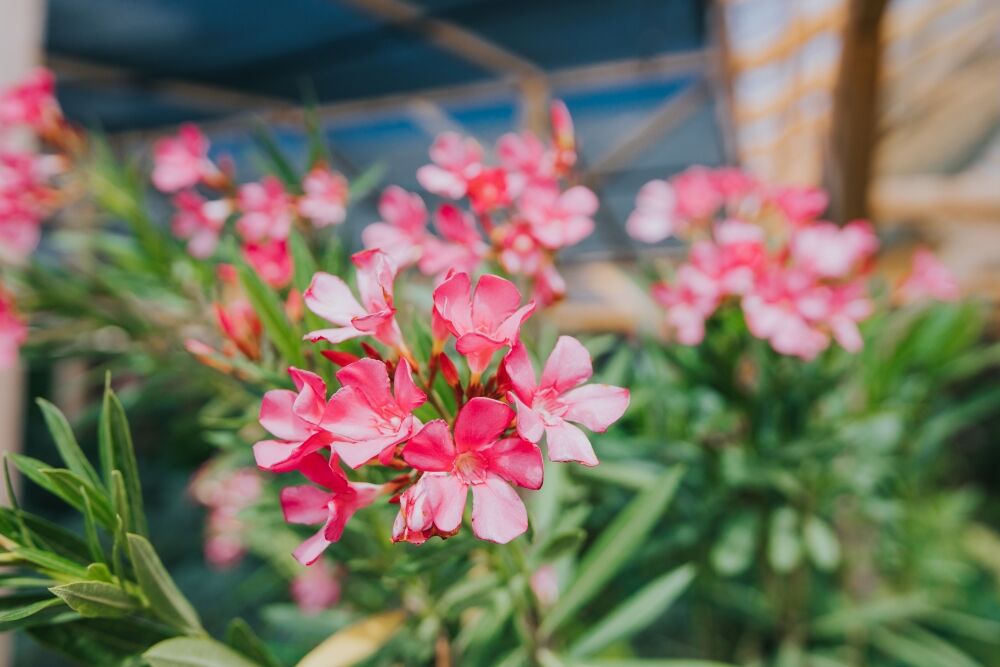
With the native range of this species extending from northern Africa and the Mediterranean to the Arabian Peninsula and India, Oleanders are quite common in the UAE.
They’re popularly used as ornamental garden plants for their beauty and their heat, soil, and drought tolerance.
What’s interesting is while these beautiful, large flowering shrubs are easy to grow and care for, they’re poiusonous to many species of animals, including cats and dogs, and can cause vomiting, diarrhoea, depression, seizures, etc.
2. Aloe Vera (Aloe barbadensis miller)
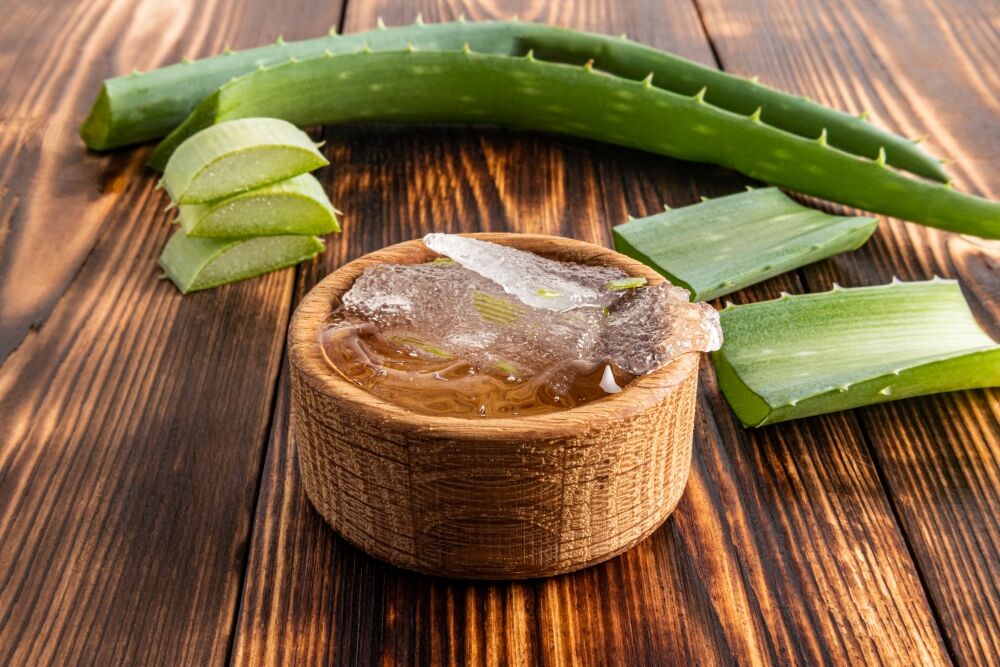
For many of us, Aloe Vera gel is a natural solution to burns, skin abrasion or irritation. Also, Aloe juice is promoted as a natural remedy for diabetes, heartburn, and inflammatory bowel syndrome (IBS) in humans.
And applying Aloe Vera to the skin is so healthy that it’s used in many dog products as well.
However, this plant and its leaves are toxic to our pets when ingested. So it's important to practice caution when using Aloe Vera.
Do not use it internally on your dog. And if your dogs ingest or even accidentally lick Aloe Vera, carefully monitor their behaviour for potential side effects.
It can cause bouts of vomiting and diarrhoea in dogs. And severe vomiting and diarrhoea in cats, which may lead to dangerous levels of dehydration if left untreated for too long.
3. Peace Lily (Spathiphyllum wallisii)
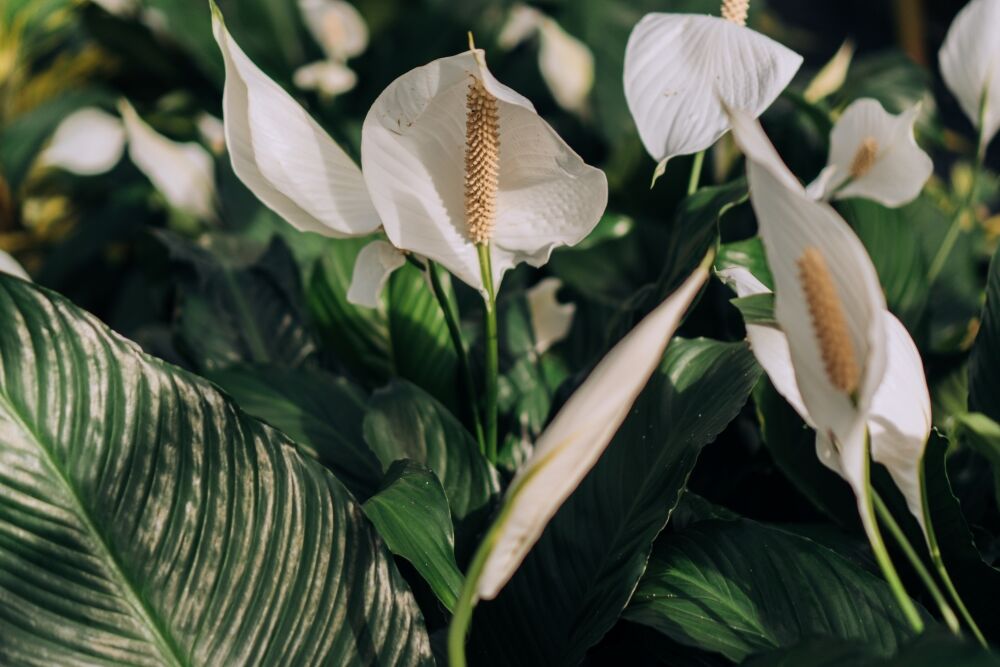
Peace Lilies (also other lilies) are often associated with purity and tranquillity by humans.
Ironically, the entire lily plant is toxic for cats. Its stem, leaves, flowers, pollen, and even the water in its vase can cause fatal kidney issues. Even with dogs, lilies are known to cause GI upsets and issues with organs.
4. Mother-in-law’s Tongue (Dracaena trifasciata)
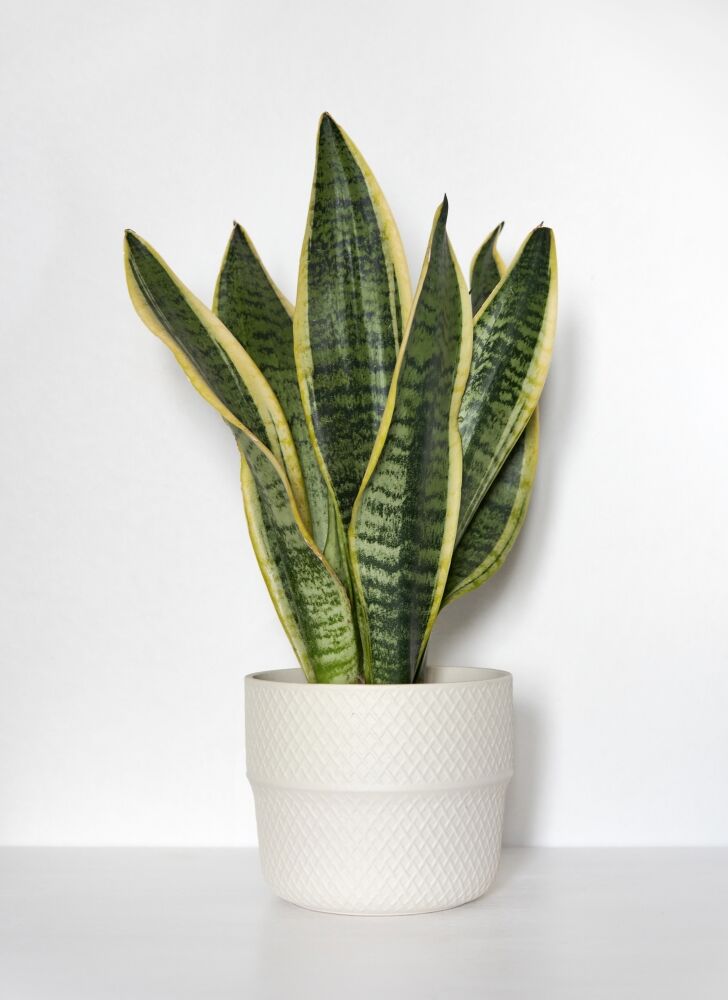
Also known as “snake plant”, this succulent contains saponins (a toxic compound that turns into foam when shaken with water), causing GI discomfort in cats and dogs.
The symptoms of toxicity vary depending on the quantity ingested, can rupture red blood cells, and go on to look like drooling, nausea, vomiting, and diarrhoea.
5. Devil’s Ivy (Epipremnum aureum)
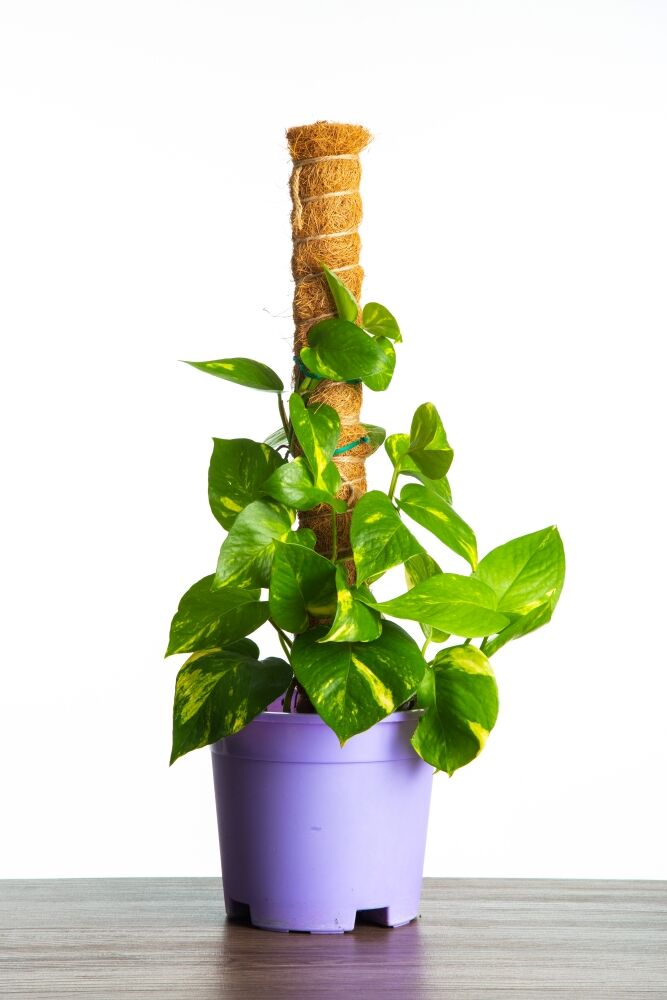
The Devil’s Ivy (Golden Pothos) contains insoluble calcium oxalate crystals, similar to other plants in the Araceae family. Chewing or biting this plant breaks down compounds and releases these crystals which work as microneedles penetrating tissues, irritating the mouth and GI tract.
And while the Money Plant (Devil’s Ivy) is poisonous to our cats and dogs, the Money Tree (Pachira aquatica) and the Chinese Money Plant (Pilea peperomioides) not only make beautiful indoor plants but are also safe for our pets.
6. Fiddle Leaf (Ficus lyrata)
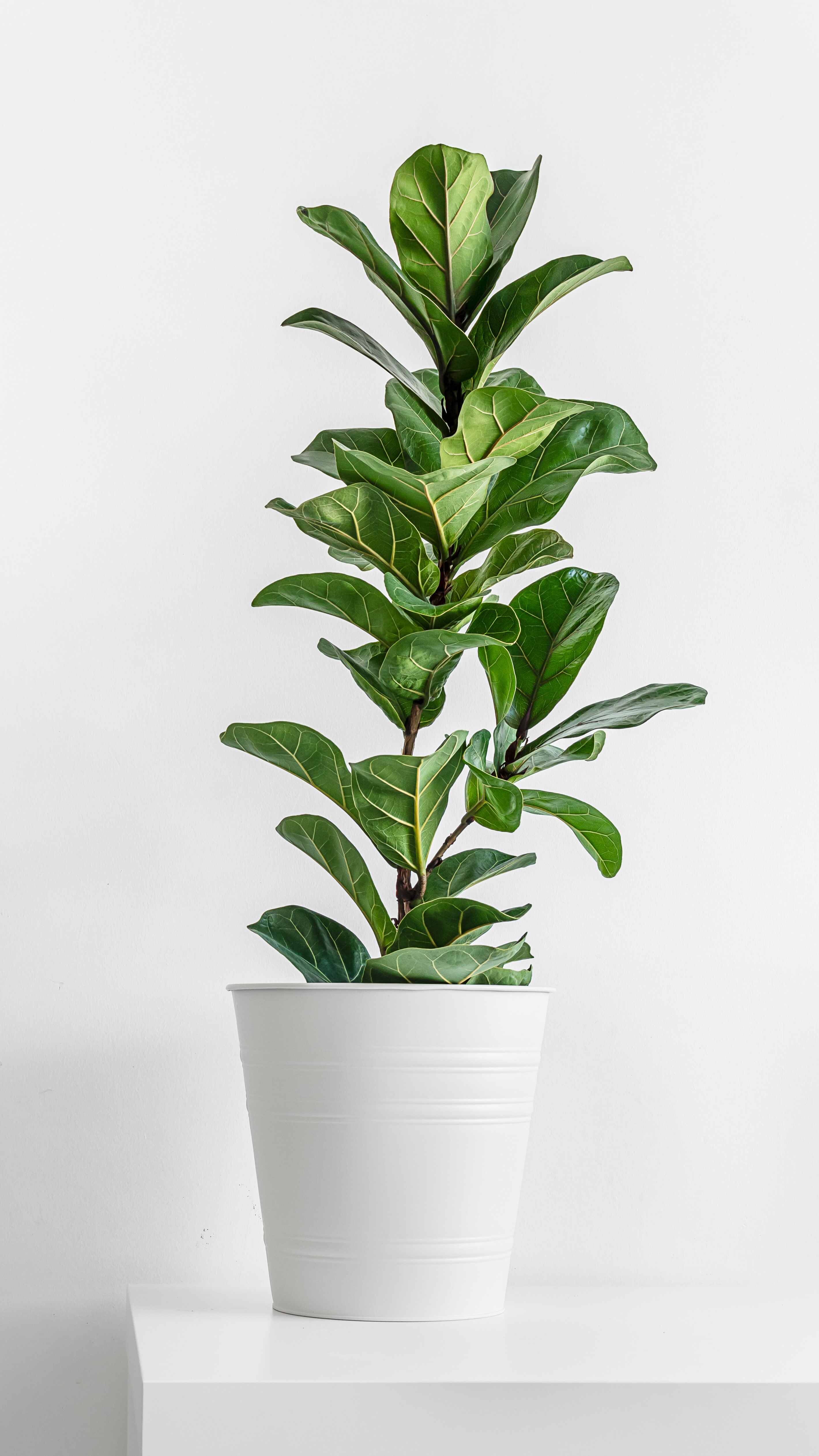
The Fiddle Leaf Fig plant is popular by different names across the globe. And with cool names like banjo fig, fiddle-leaved fig tree, or lyre-leaf fig tree, this tree might sound like a friendly indoor plant.
However, every part of this plant is toxic to cats and dogs. The good thing is that it’s mildly poisonous for our pets.
General symptoms to look out for would be drooling, vomiting, diarrhoea, improper urination, feeling excessively thirsty or no thirst at all, and swelling of the mouth, tongue, or lips.
7. Sago Palm (Cycas revoluta)
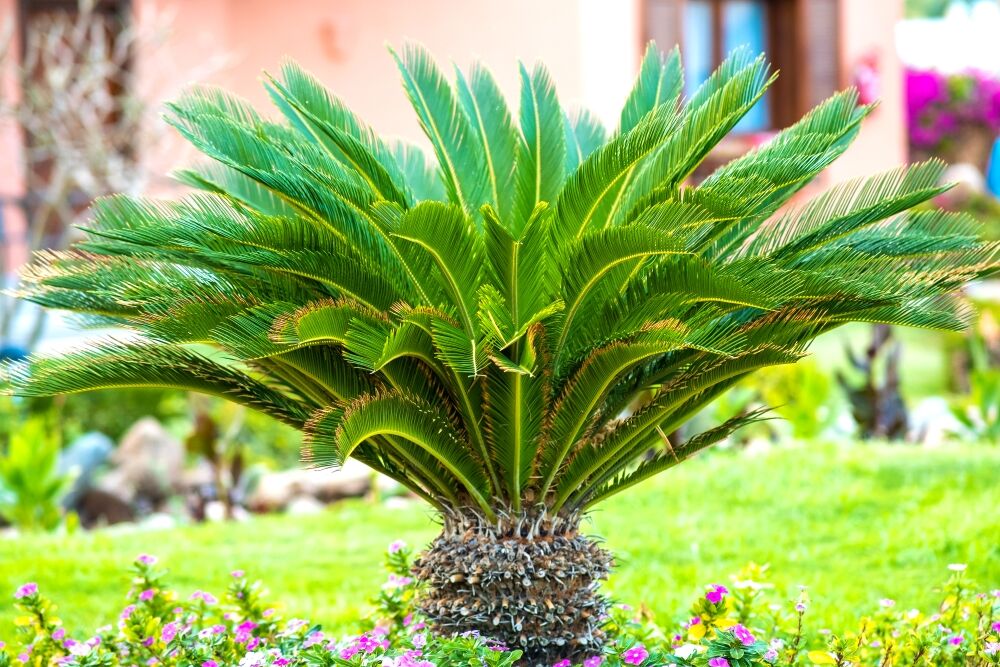
The Sago Palm is widely used as an indoor and outdoor ornamental plant in the UAE. And while its leaves are widely used as ceremonial palms, this entire plant is unsafe for our pets.
Pets usually stay away from the prickly fronds, but they go for the seeds (nuts), which in fact are the most toxic to our furchildren. So keep a close eye on your cats and dogs if you have a Sago Palm around you.
These plants contain poisonous compounds that affect the nervous system, damage the liver, or cause severe gastrointestinal upset.
8. Blushing Philodendron (Philodendron erubescens)
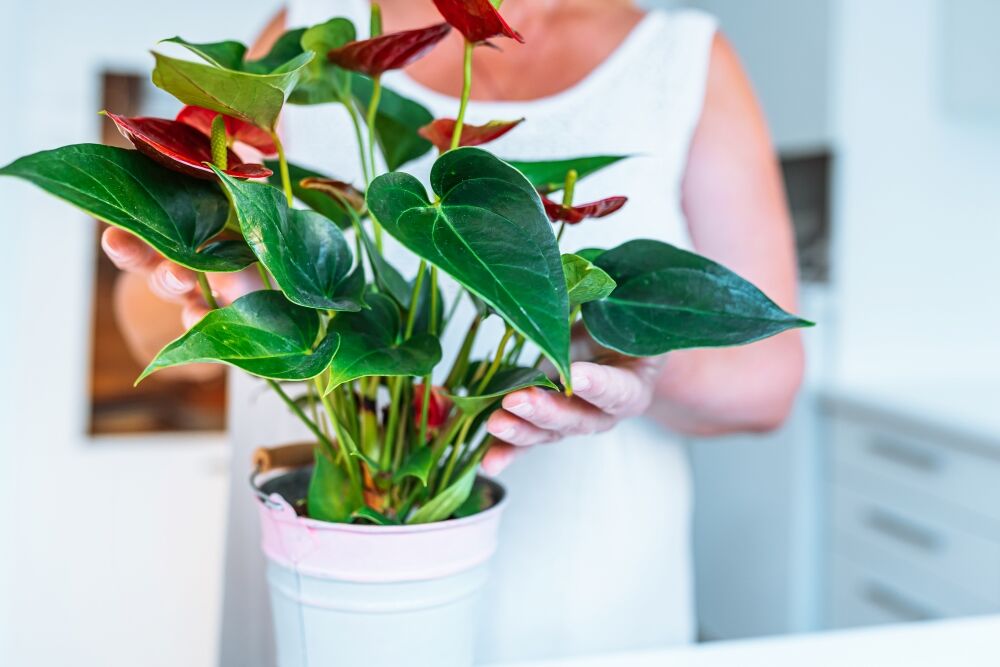
Also known as Philodendron Red Emerald, the Blushing Philodendron gets its name from its glossy, heart-shaped leaves with dark red and purple undersides and stems.
These plants are quite adaptive and can easily grow with little care under varying light and weather conditions. However, they contain calcium oxalate crystals, which are toxic for cats, dogs, and humans.
Immediate symptoms of pets ingesting these plants include swelling and burning of the mouth and throat, plus difficulty swallowing. Moreover, it's advised to be precautious as philodendron poisoning can also cause convulsions, renal failure, and coma in dogs.
9. Jade Plant (Crassula ovata)
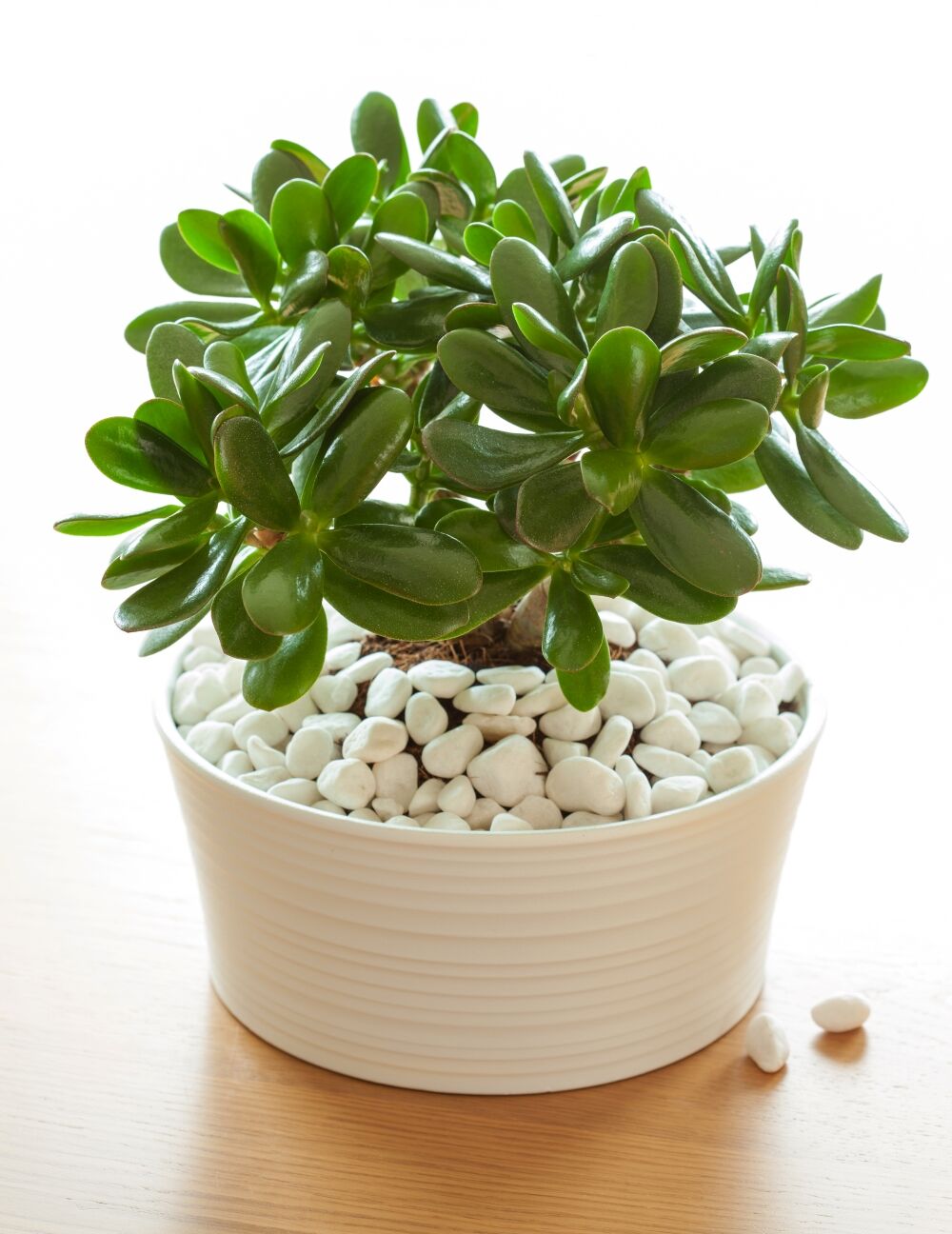
The Jade Plant is widely associated with good luck and fortune. And because it’s believed to attract good energy and wealth, it’s a top pick for home decor.
But here's the catch - while it’s called the Lucky Plant, it’s mildly toxic to cats and dogs as it’s known to cause lethargy, weakness, and vomiting if ingested.
Plants Safe for Cats and Dogs
Although the following plants are considered "safe", it’s important to know that even these plants might cause mild stomach upset if your pets eat up large amounts of them.
1. Spider Plant (Chlorophytum comosum)
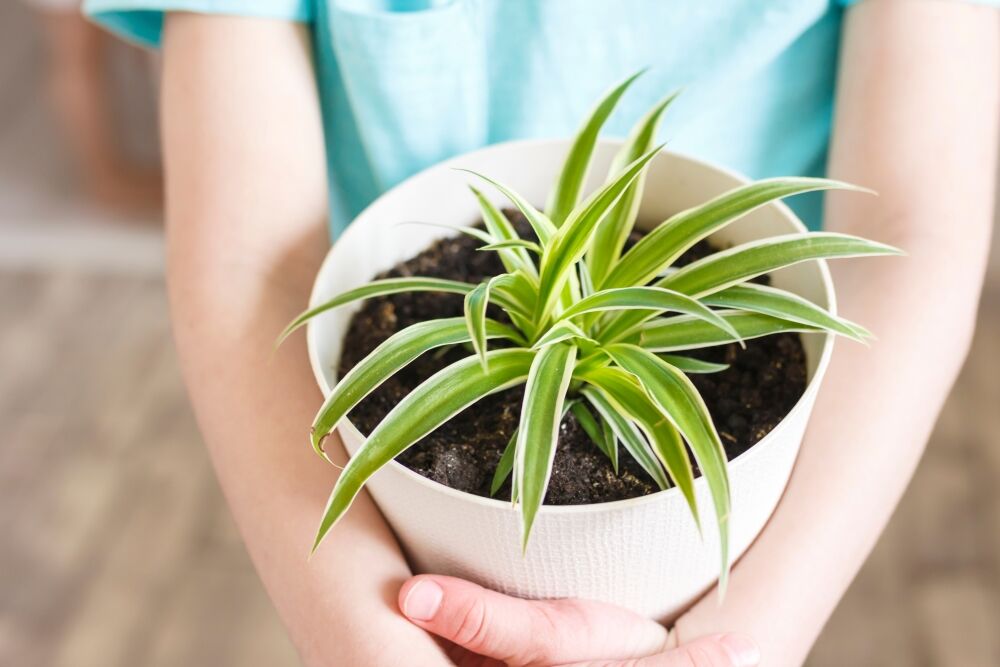
Spider Plants are easy to look after and great for beginners with minimal maintenance needed.
In fact, they are also known for sprouting saplings. And what’s better motivation for a new plant enthusiast than having their own trees have new baby plants?!
2. Parlour Palm (Chamaedorea elegans)
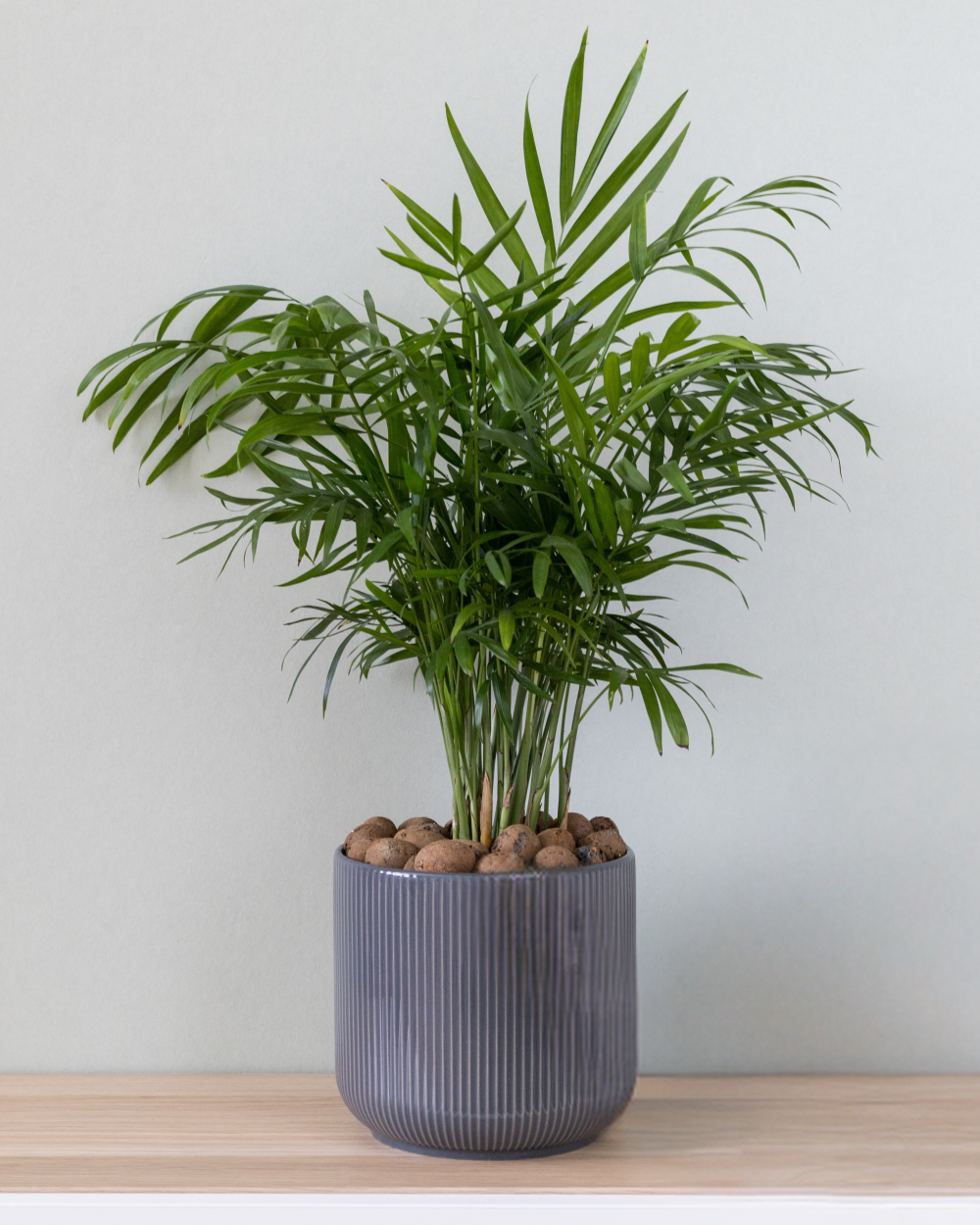
Low maintenance and safe for pets, the Parlour Palm is a great indoor plant that can be sustained even if you don’t have a green thumb.
While this plant thrives in a bright spot, it also tolerates low light and grows alongside your pets. Moreover, it’s pet-friendly and easily available in the UAE.
3. Money Tree (Pachira aquatica)
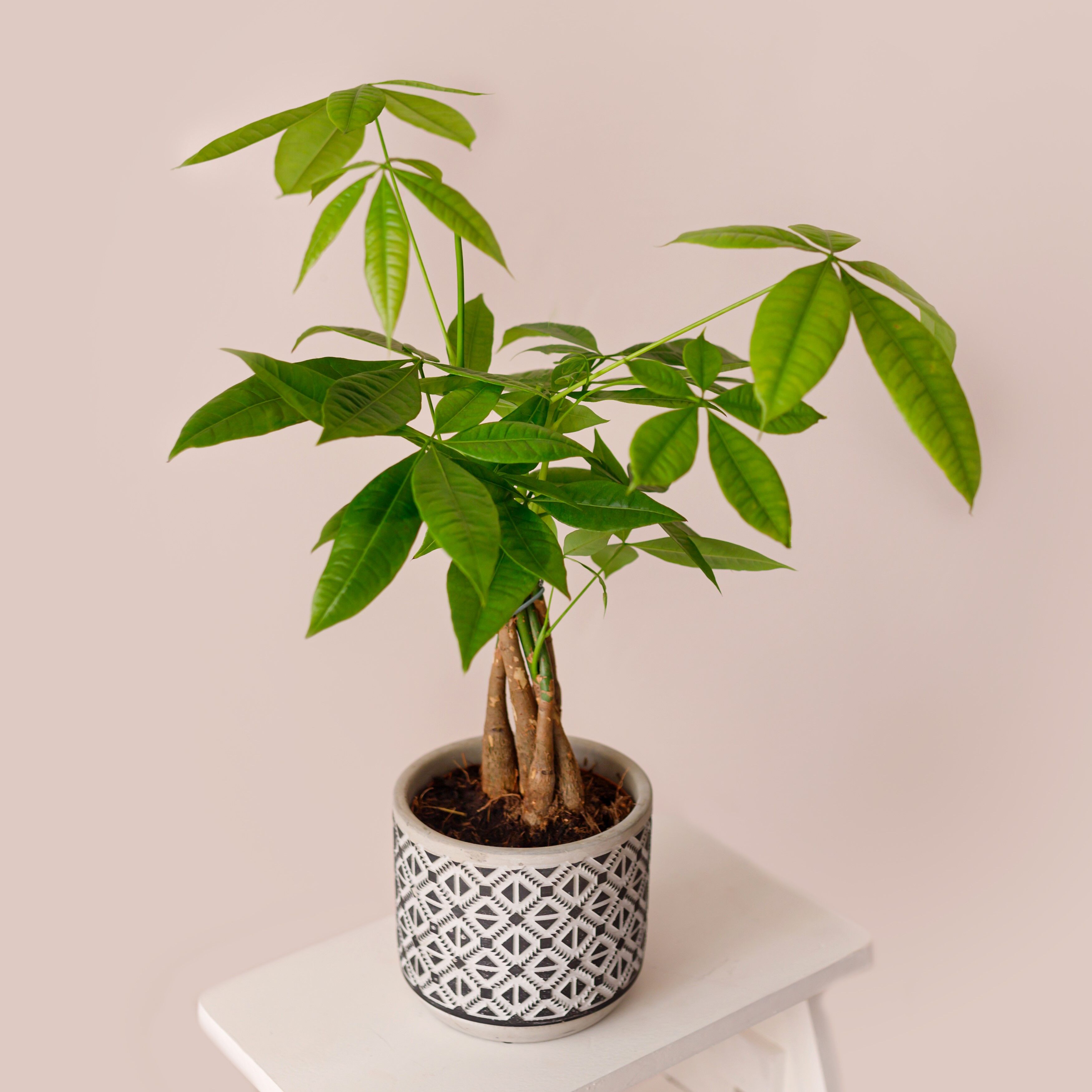
Money Trees are non-toxic to pets, and they’re very adaptive. You keep them in a small pot and they’ll grow like a Bonsai. But you give them room and they can grow up to 8 ft. indoors.
In the wild, Money Trees can grow up to 60 ft., truly signifying the abundance, prosperity, and good luck they are known for.
Also, they’re easy to grow and perfect for indoor conditions, making them a great leafy friend for your cats and dogs.
4. Orchids (Orchidaceae)
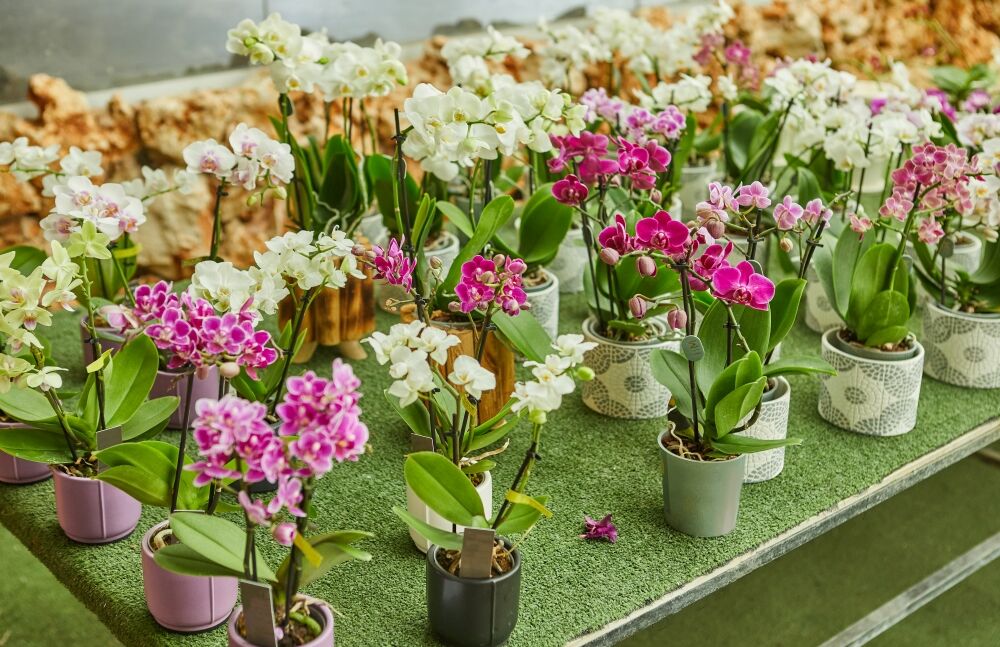
If you want to add elegance and beauty to your plant collection, Orchids are perfect for catching the eye with their mesmerising mirror symmetry. They take up minimal space and are completely pet-friendly.
5. Raindrop Plant (Peperomia polybotrya)
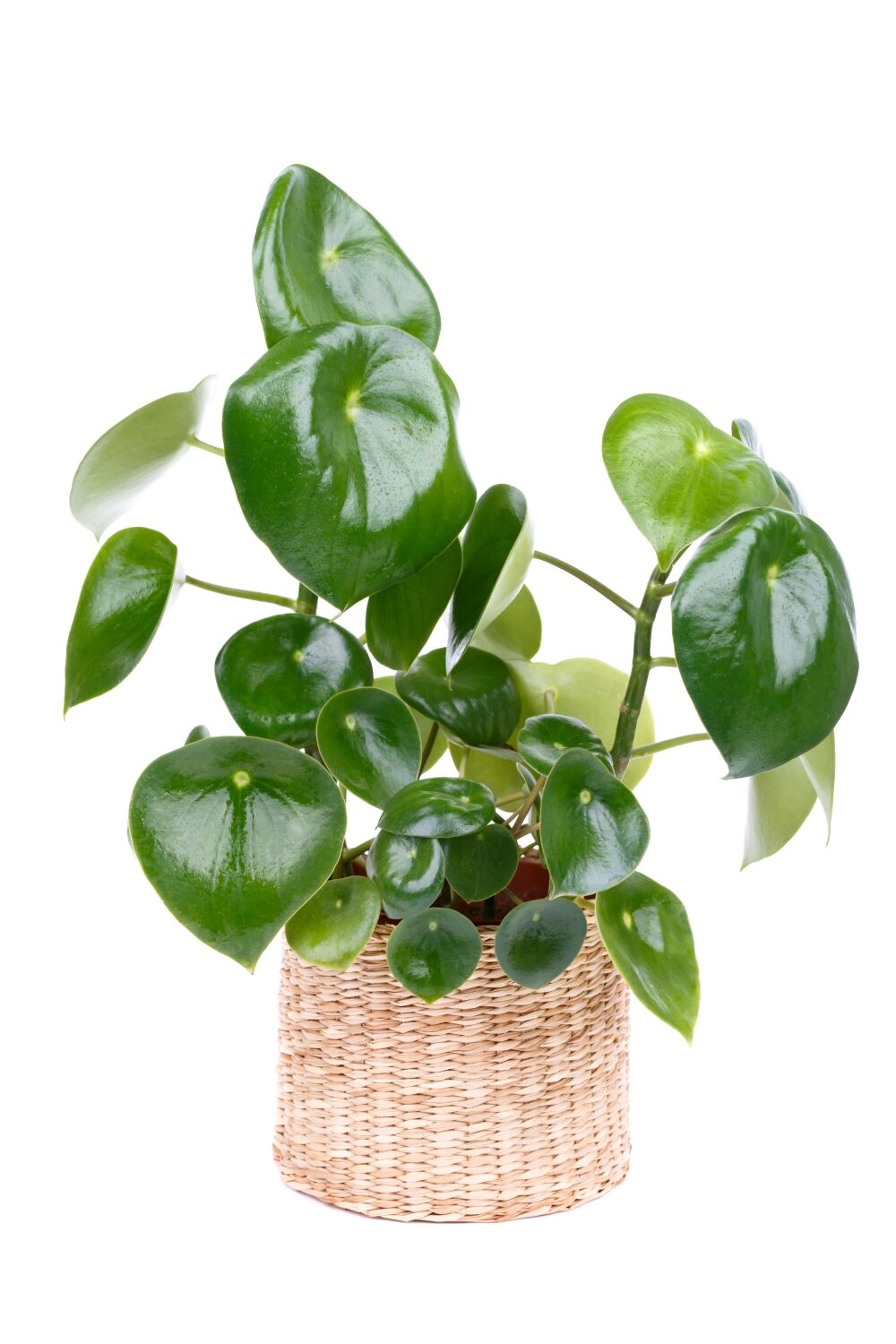
Raindrop Plant, and other Peperomias, are known to be common houseplants for their compact size. Plus, these plants are known to be safe for both, cats and dogs.
And with most varieties of the species growing less than 2 feet tall, your furchildren won’t be as tempted by the waxy peperomia leaves to turn the pot over as they’re to play with bushier or trailing varieties.
6. Cast Iron Plant (Aspidistra elatior)
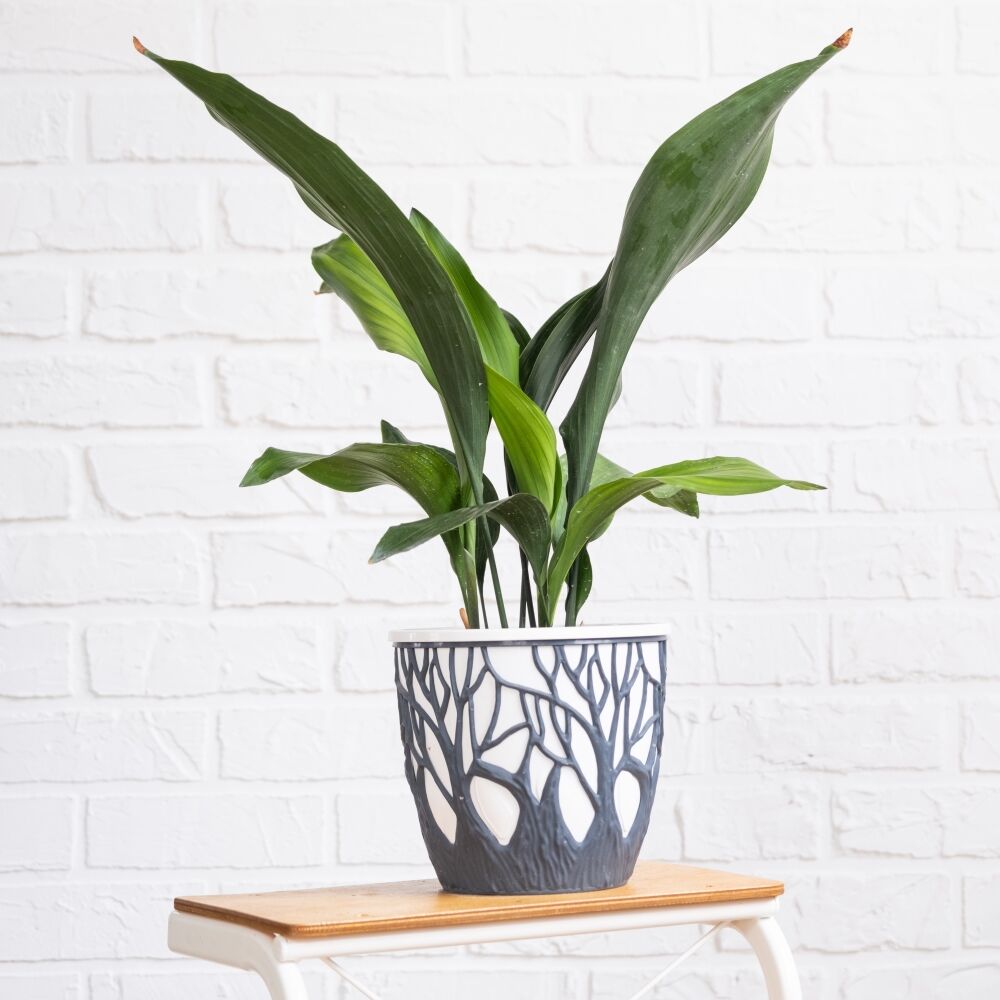
The Cast Iron plant gets its name from its ability to adapt to any condition and survive. In fact, the Asian culture symbolises this plant for endurance and prosperity.
Moreover, it’s non-toxic to pets and a classic indoor beauty for villas. And considering the extreme weather conditions of the UAE, it’s a great choice that thrives with the least attention.
7. Scarlet Star (Guzmania lingulata)
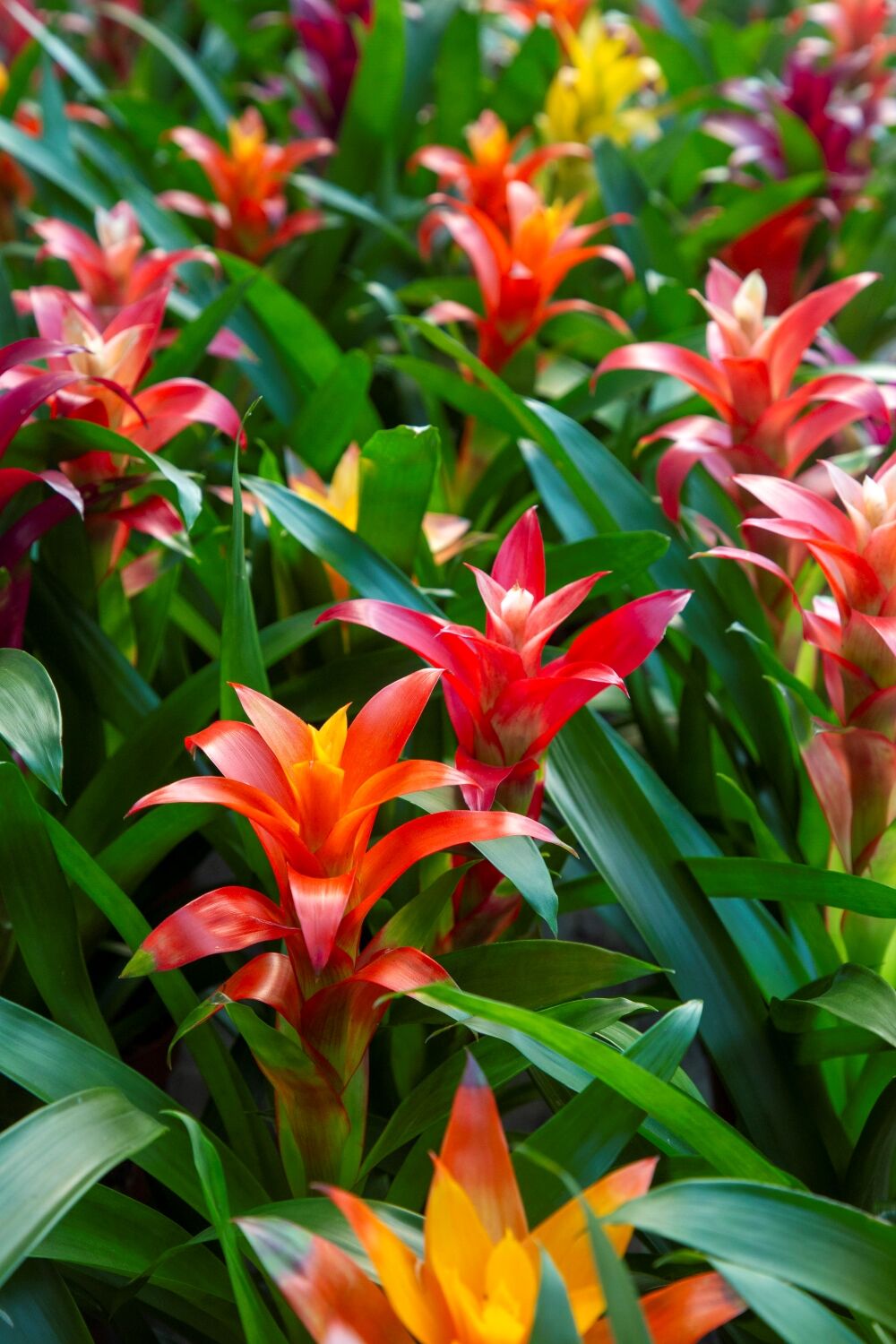
Popular among the Bromeliad family, the Scarlet Star is known to be a masterpiece because of its large, star-shaped bloom. Moreover, it’s known to be non-toxic to pets.
If you’re someone who likes living a lavish lifestyle, this plant is known to add a luxury feel anywhere it’s placed. Plus, it comes in multiple varieties, so you can choose what best suits your setup.
8. Zebra Cactus (Haworthiopsis attenuate)
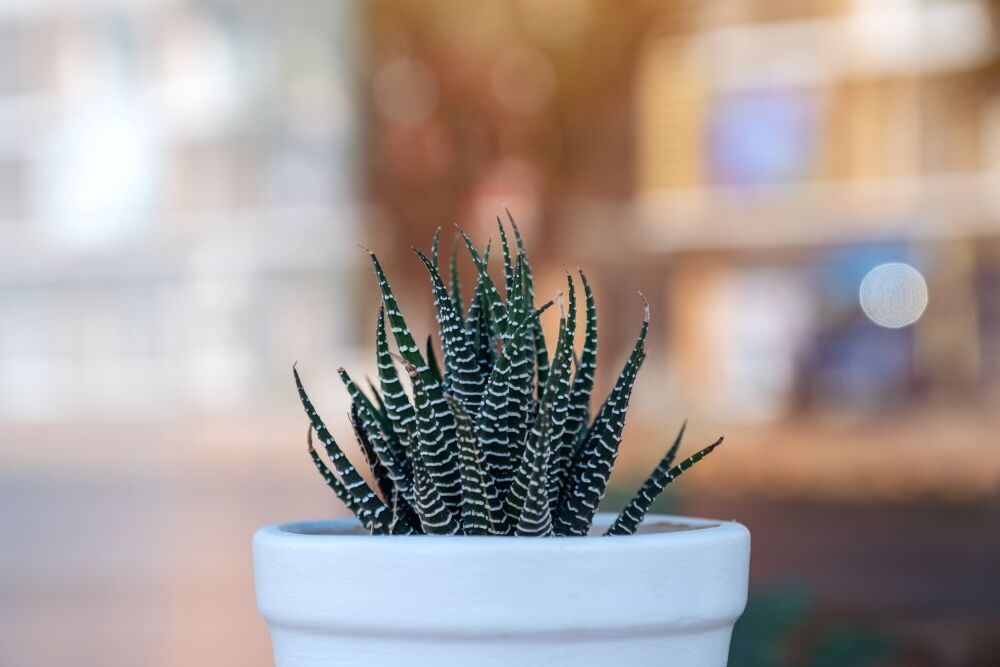
When put in a funky pot, the Zebra Cactus, with its striped attire, creates a stunning home decor prop. Also, these plants are small, need little attention, and are absolutely safe for pets.
Moreover, these little plants have a life span of up to 50 years. You buy it once, give it little care, and you shall have a plant companion by your side for a decent amount of your life.
9. Boston Fern (Nephrolepis exaltata)
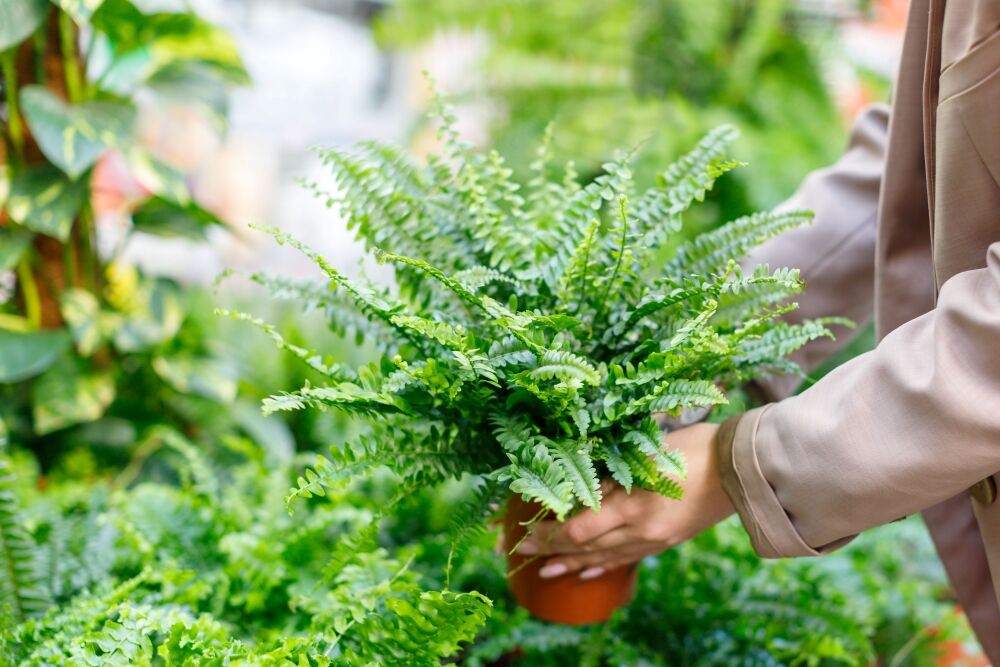
Quite a classic, these pet-friendly plants and their fronds are popular among pets for a peekaboo. And while this plant prefers a humid environment, it prospers even in dim light, hanging pots, etc.
For pet parents who love indoor plants, the Boston Fern is a great option with its ability to bring a dose of freshness and tranquillity anywhere, and anyhow, you put it.
If you live in the UAE, these are some of the many commonly found plants that you and your furchildren should look out for. But if you’d want to learn more on this subject, ASPCA’s List of Toxic and Non-Toxic Plants for Cats and Dogs goes on and on. [1]
And if you found this blog insightful, you’d also like The Dirty Dozen: 12 Fruits and Vegetables You Should Go Organic for Your Dogs.


Have a question or comment? We would love to hear about it.

FURCHILD is the first raw pet food company of its kind in the Middle East.
Discover the transformative power of our fresh, healthy, balanced meals, raw bones, all-natural chews, and premium handcrafted freeze-dried treats. Our Meals for Dogs and Meals for Cats are formulated by the world's leading pet food experts, approved by veterinarians, and are made of the highest quality ingredients.
- Human grade ingredients
- Organic vegetables and fruits
- Ethically sourced grass-fed, free-range and cage-free meats and poultry
- No antibiotics. No hormones. No preservatives. Absolutely no nasties!
- Grain-free and gluten-free
- Suitable for dogs and cats, puppies and kittens
- Home delivery anywhere in the UAE
- Monthly subscription plans and bulk order discount offerings