


How Long Does Kibble Really Last?

What science reveals about dry dog food, oxidation, and the nutritional changes happening inside the bag.
Buying a bulk-sized bag of kibble or biscuits can seem like a smart choice. It's convenient, economical, and designed to sit on the shelf for months.
But here's a question worth asking: Does the nutritional quality of kibble remain the same from the first scoop to the last?
Not necessarily.
A recent scientific review published in Biology in September 2026 explores how food processing, oxidation and antioxidant degradation can influence the quality of pet food, particularly during storage and after packaging has been opened.
It's a topic that reinforces something we've long understood at Furchild: what happens to food over time matters, in addition to what goes into it.
How Long Does Dry Dog Food Actually Last?
There's no single answer.
Unopened kibble is generally designed for extended shelf storage, with its expiry date determined by the manufacturer based on its formulation, packaging, and expected storage conditions.
But that date doesn't tell the whole story.
Once a bag is opened, its contents are repeatedly exposed to oxygen, and potentially to changes in temperature, humidity, and light, especially if you live in a hot and humid country like the UAE.
Even when kibble remains within its printed shelf life, its nutritional quality can change over time.
The important distinction? A product's shelf life and its nutritional stability aren't necessarily the same thing.
What Happens to Kibble When It's Exposed to Oxygen?
The process is called oxidation, and it can begin long before food shows obvious signs of spoilage.
Kibble and biscuits contains fats that contribute energy, flavour and essential fatty acids to your dog's diet. Many of these fats, particularly polyunsaturated fatty acids, are susceptible to oxidation.
When exposed to oxygen, fats can gradually undergo chemical reactions that produce compounds associated with rancidity and declining food quality.
Manufacturers often include antioxidants, such as tocopherols (forms of vitamin E), to help slow this process.
But antioxidants don't last indefinitely. As they react with oxygen and protect the food's fats, they can gradually become depleted.
This means the food your dog eats weeks after opening may not have exactly the same nutritional characteristics as it did when the bag was first manufactured or opened.
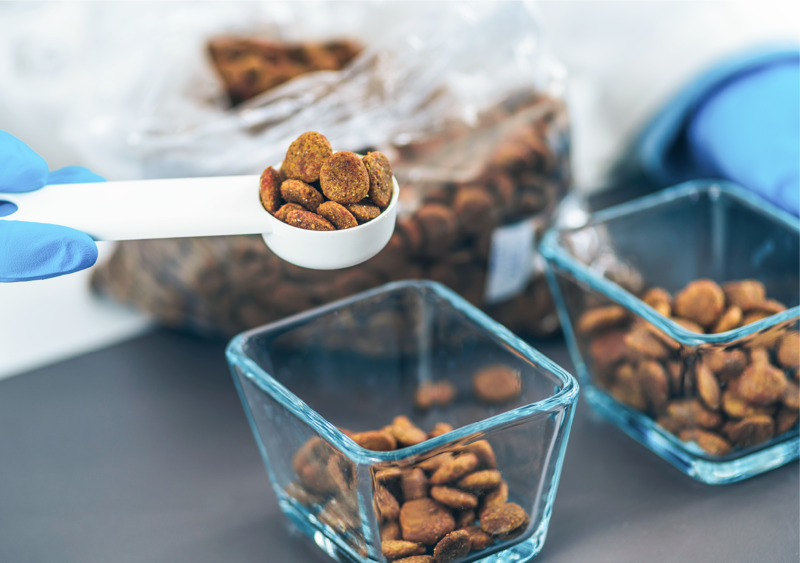
What Does the Latest Scientific Research Say?
A September 2026 scientific review by researchers Hye-Jin Park and Hyo-Min Kim, published in Biology, examines how compounds associated with food processing and oxidation may contribute to oxidative stress in humans and companion animals, our dogs and cats.
One particularly relevant concern is the deterioration of antioxidant systems in dry pet food during storage, especially following repeated exposure to oxygen after opening.
The researchers also examine lipid oxidation products, including reactive compounds such as malondialdehyde (MDA) and 4-hydroxynonenal (4-HNE), which can interact with biological molecules.
These findings raise important questions about the nutritional quality of processed pet food over time and the potential consequences of long-term dietary exposure to oxidized fats.
However, the authors also highlight an important gap: controlled, long-term studies directly measuring how post-opening kibble oxidation affects overall dog health remain limited, and further studies are encouraged.
What the research reinforces is the importance of understanding not only what's in our pets' food, but how processing and storage may change it before consumption.
Why Does Fat Oxidation Matter for Dogs?
Fats are essential to a dog's (and a cat's) diet.
They provide concentrated energy, contribute to healthy skin and coat function, help the body absorb fat-soluble vitamins, and supply essential fatty acids.
But the condition of those fats matters.
When fats oxidize, some of their original nutritional properties can deteriorate, while secondary oxidation compounds can form.
Certain lipid oxidation products have been associated with oxidative stress, a biological state in which reactive molecules overwhelm the body's protective antioxidant systems.
Oxidative stress is involved in numerous biological processes and has been studied in relation to inflammation, cellular damage, and chronic disease.
That doesn't mean eating any amount of kibble or biscuits automatically causes these conditions. The health effects depend on the compounds present, their concentrations, exposure over time, and the individual animal.
Nevertheless, understanding oxidation is an important part of evaluating food quality, particularly when a pet eats the same diet every day for years.
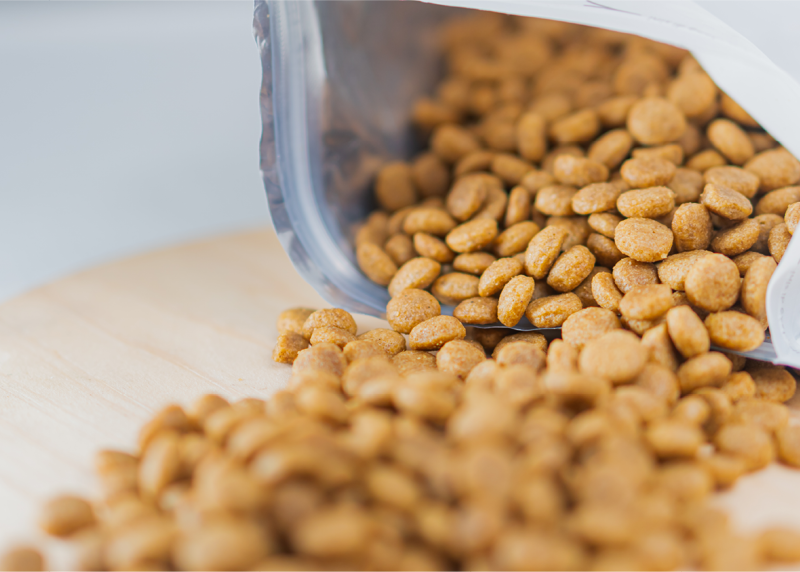
Is Kibble Still Good After Opening?
An opened bag of kibble or biscuits doesn't suddenly become unsafe the moment oxygen enters.
However, the rate at which its quality changes depends on several factors:
-
Fat composition: Different fats have different susceptibilities to oxidation.
-
Antioxidant protection: The type and quantity of antioxidants influence oxidative stability.
-
Packaging: Oxygen and moisture barriers help protect food during storage.
-
Temperature: Heat can accelerate chemical deterioration.
-
Humidity: Excess moisture can compromise product quality and increase spoilage risks.
-
Time: Longer storage provides more opportunity for changes to occur.
There is no universally established number of days after opening at which every kibble becomes unsafe.
The manufacturer's instructions, storage conditions and the condition of the food should guide decisions.
If kibble develops an unusual rancid smell, visible mould or other signs of spoilage, it should be discarded. However, these are often hard to see and smell. Also importantly, the absence of an obvious smell does not guarantee that no oxidation has occurred.
How Should You Store Kibble?
Proper storage can help slow deterioration, although it cannot reverse oxidation that has already occurred.
If you're feeding dry dog food:
-
Keep it in its original packaging, tightly sealed after each use.
-
Store it in a cool, dry location, away from direct sunlight, heat, and humidity.
-
Place the entire bag inside a clean, airtight container if additional protection is needed.
-
Avoid buying more than your dog can reasonably consume within the manufacturer's recommended period after opening - if provided.
-
Check the expiry date and storage guidance, and discard food showing signs of spoilage.
In warmer climates such as the UAE, storage temperature deserves particular attention. Avoid leaving pet food in hot garages, delivery bikes, vehicles, or areas exposed to direct sunlight.
The goal isn't to make kibble fresh. It's to help preserve its existing food and minimise further deterioration.
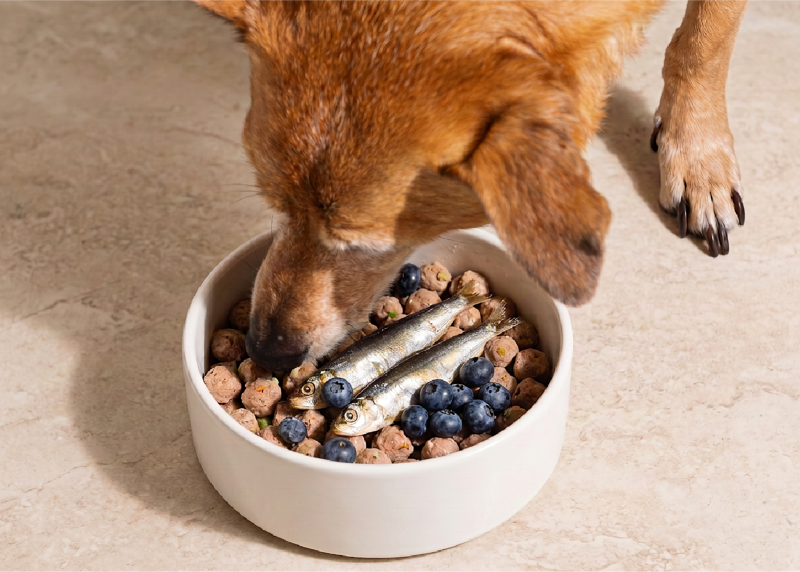
Can Fresh Foods Improve Your Dog's Bowl?
Here's the good news.
While adding fresh ingredients cannot reverse oxidation in kibble, thoughtfully selected whole foods can contribute valuable nutrients to your dog's overall diet.
If you're not ready to switch entirely to balanced fresh dog food. Even small additions can introduce different sources of essential fatty acids, antioxidants, vitamins, and minerals.
Here are five nutrient-rich options worth considering.
1. Sardines — Marine Omega-3s
Sardines provide EPA and DHA, two marine omega-3 fatty acids involved in normal inflammatory regulation, skin health and other important biological functions.
Choose plain, cooked sardines or unsalted sardines packed in water, served in suitable portions.
2. Green-Lipped Mussels — Omega-3s and Joint Support
Green-lipped mussels contain marine fatty acids, including EPA, DHA and ETA.
Certain green-lipped mussel extracts have been studied for their potential benefits in supporting joint comfort and mobility.
For food additions, choose properly cooked, unseasoned mussels with the shells removed.
3. Blueberries — Antioxidant-Rich Polyphenols
Blueberries contain anthocyanins and other plant compounds with antioxidant activity.
They also provide fibre and can make a convenient occasional addition to a dog's bowl.
Serve washed, whole or mashed depending on your dog's size.
4. Pumpkin Puree — Beta-Carotene and Fibre
Plain pumpkin purée provides dietary fibre and beta-carotene, a plant pigment with antioxidant properties.
Fibre can help support normal digestive function, while beta-carotene contributes to the overall nutritional value of the diet.
Choose plain, unsweetened pumpkin purée without spices or added sugar.
A Note on Portions:
These additions should complement, rather than unintentionally unbalance, your dog's diet.
As a general guideline, extras and treats should contribute no more than approximately 10% of your dog's overall diet is professionally formulated to accommodate them.
And remember: adding antioxidants or omega-3s does not make rancid kibble safe to eat.
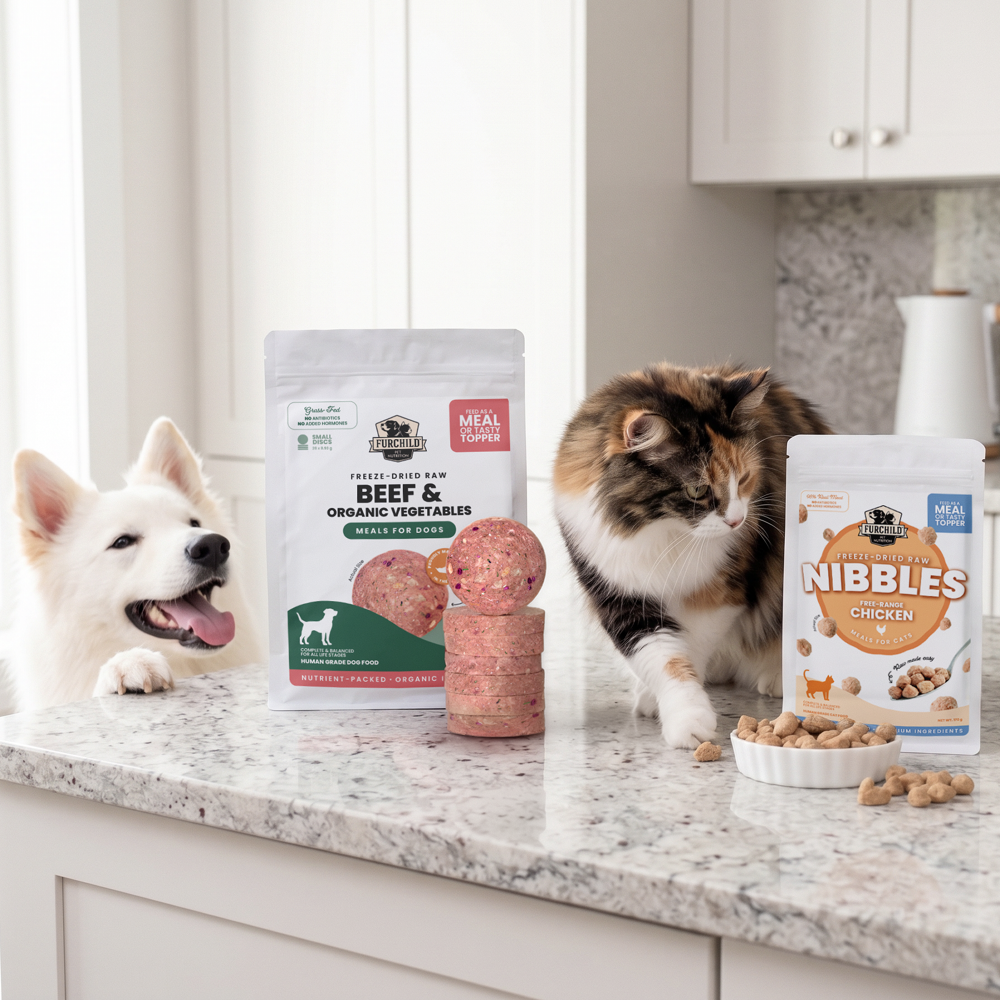
If you're considering a larger dietary change, choose a complete and balanced food appropriate for your dog's life stage and individual needs, like the freeze-dried meals below.
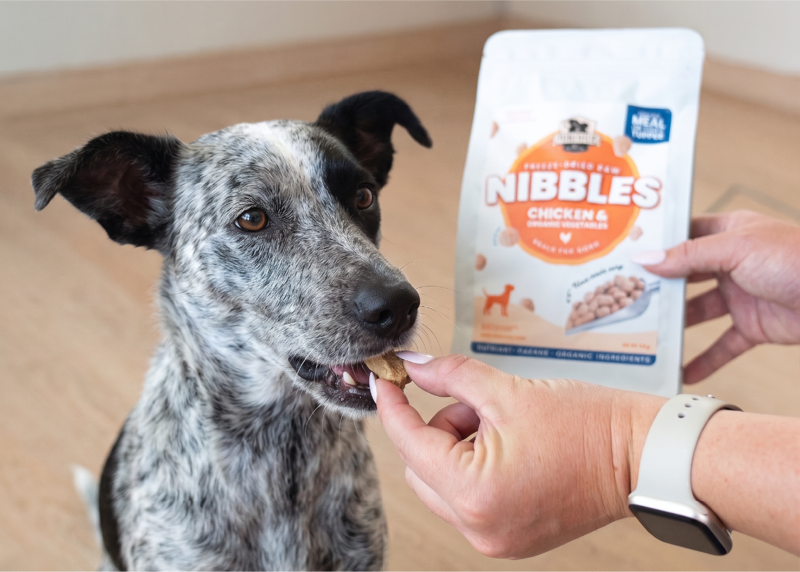
5. Freeze-Dried Raw Nibbles — Species-Appropriate Nutrition
Our Freeze-dried Raw Meals provide concentrated, high-quality, easy-to-digest nutrients, including protein and fats, and all the nutrients your dog requires
This is a new and convenient way to introduce real nutrition to your dog. In a shelf-stable format, similar to the storage and serving practices of kibble and biscuits, it's incredibly easy to feed.
As with any food, appropriate storage and handling remain important.
Why We Believe Food Quality Matters at Every Stage
At Furchild, our belief in fresh, nutrient-rich pet food has always been about more than an ingredient list, it's how it's sourced, transported, prepared, packaged, stored, and this is the quality of what ultimately reaches your pet's bowl.
The science of oxidation reinforces why these details matter.
No food is immune to deterioration. Fresh, frozen, freeze-dried, and shelf-stable foods all require appropriate processing, packaging, handling, and storage.
But understanding these differences empowers pet parents to make more informed choices about the foods they feed.
And when it comes to nutrition, those choices deserve thoughtful consideration.
FAQs
Does dry dog food go bad?
Yes. Dry dog food can deteriorate over time through fat oxidation, nutrient degradation, moisture exposure or microbial spoilage. Proper storage can slow some of these processes but cannot prevent them indefinitely.
How long does kibble last once opened?
There is no universal timeframe. It depends on the formulation, packaging, storage conditions, and manufacturer's recommendations. The printed best-before date alone doesn't establish how long a bag will maintain its quality after opening. We would recommend feeding within 2 weeks of opening.
Can kibble lose nutrients over time?
Yes. Certain nutrients and protective antioxidants can degrade during storage. The extent depends on the food's formulation, processing, packaging and environmental conditions.
Can you tell if kibble has oxidized?
Sometimes. Rancid or unusual odours may indicate deterioration, but early oxidation isn't always detectable by smell or appearance.
Can adding fresh foods reverse kibble oxidation?
No. Adding fresh foods cannot reverse chemical changes that have already occurred in oxidized fats. However, appropriately selected additions can contribute valuable nutrients to a dog's overall diet.
To summarise the question, how long does kibble really last?
The answer is more complicated than the date printed on the bag.
Dry dog food is designed for extended storage, but its nutritional quality isn't necessarily static. Processing, oxygen exposure, temperature, and time can all influence what eventually reaches your dog's bowl.
The emerging research on dietary oxidation reminds us why food quality deserves attention throughout a product's life, not just when it's manufactured.
Because what we feed our pets matters. And so does what happens to their food along the way.
Want to see the science for yourself?


Have a question or comment? We would love to hear about it.

FURCHILD is the first raw pet food company of its kind in the Middle East.
Discover the transformative power of our fresh, healthy, balanced meals, raw bones, all-natural chews, and premium handcrafted freeze-dried treats. Our Meals for Dogs and Meals for Cats are formulated by the world's leading pet food experts, approved by veterinarians, and are made of the highest quality ingredients.
- Human grade ingredients
- Organic vegetables and fruits
- Ethically sourced grass-fed, free-range and cage-free meats and poultry
- No antibiotics. No hormones. No preservatives. Absolutely no nasties!
- Grain-free and gluten-free
- Suitable for dogs and cats, puppies and kittens
- Home delivery anywhere in the UAE
- Monthly subscription plans and bulk order discount offerings